![[{[item.product.name]}]]([{[item.product.photo.url]}] 75w)
Add to cart for free delivery -,--
Order Summary
Total 0 €
Price includes discounts

Calcite: The beauty of natural crystal
Number of products : 113What is calcite?
Calcite is a mineral from the carbonate group, one of the most common forms of calcium carbonate (CaCO₃). It is one of the most common minerals on Earth and a basic component of many sedimentary rocks, such as limestone and marl.
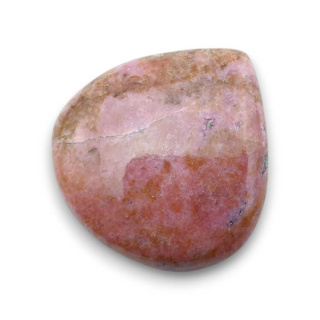
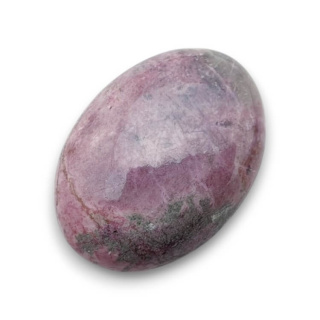
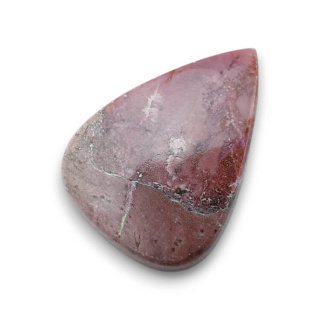
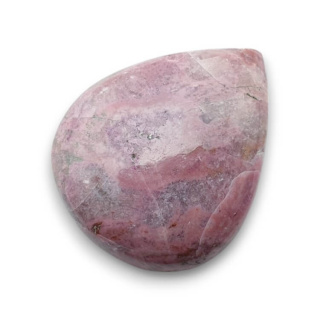
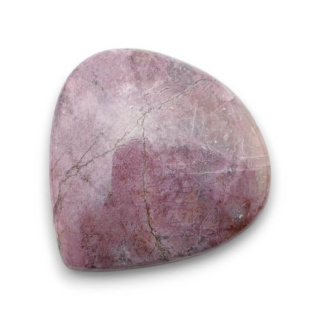
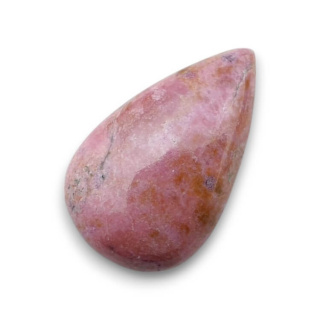
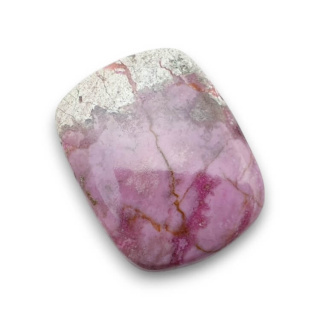
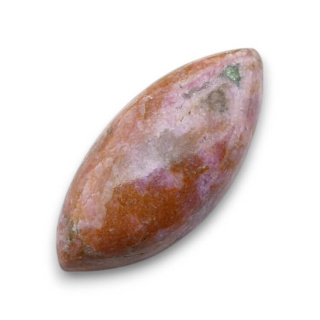
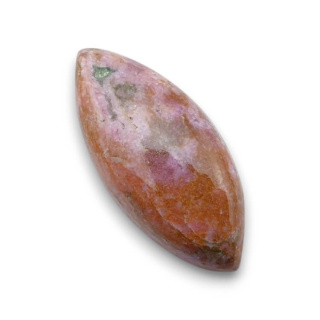
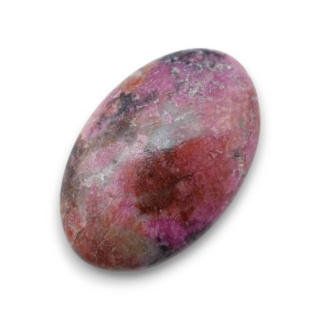
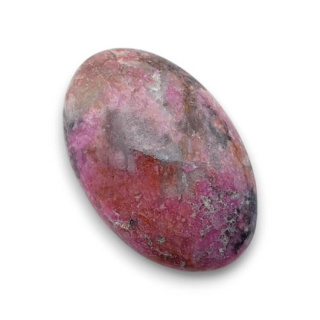
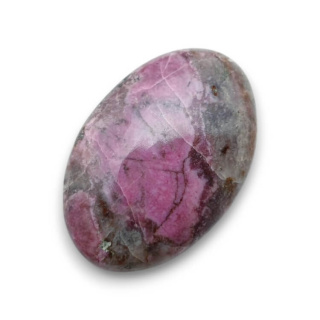
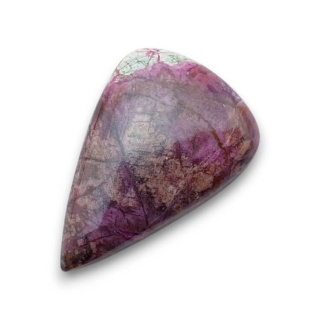
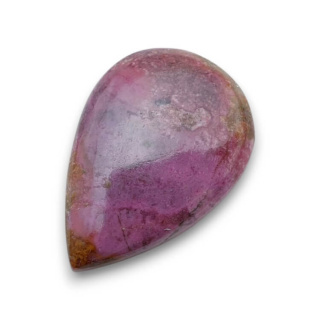
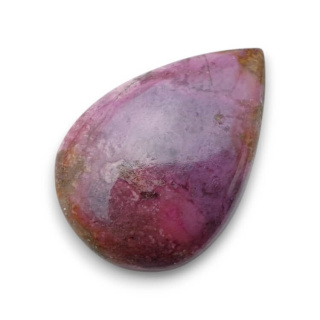
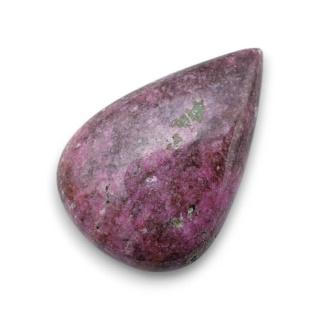
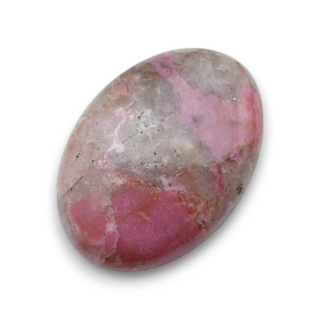
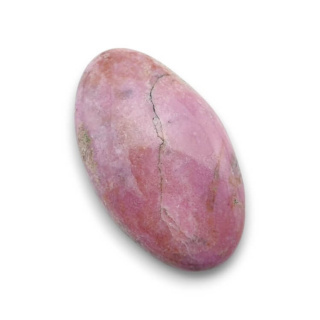
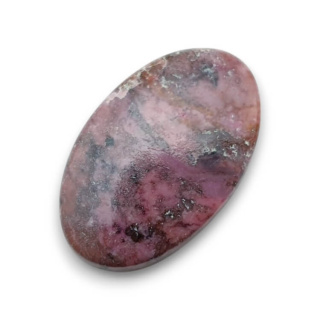
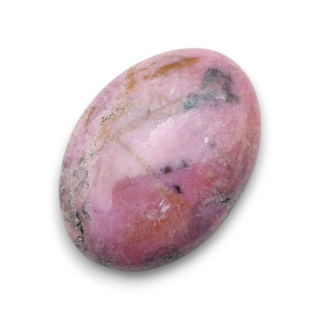
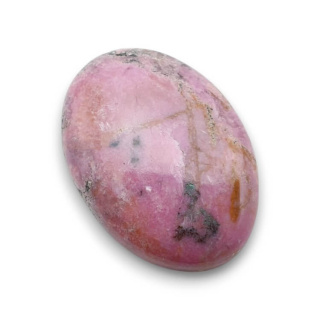
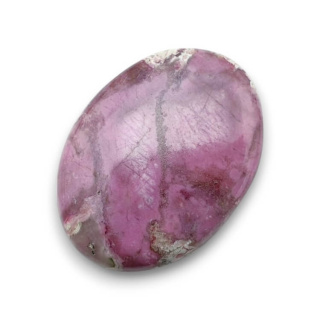
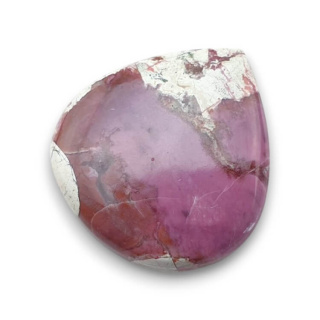
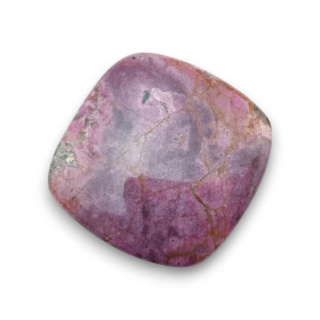
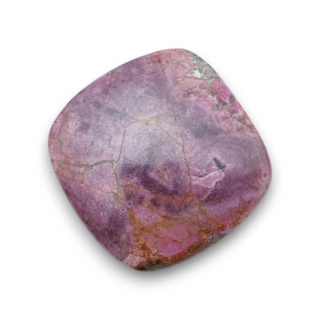
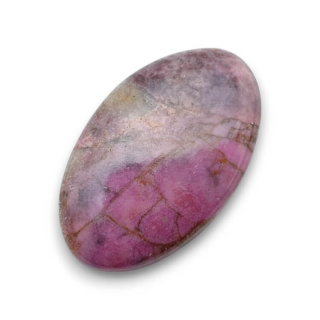
Calcite is distinguished by its remarkable variety of colors and crystal forms. It can be colorless, white, yellow, orange, green, blue, purple, pink, and even black. One of its characteristic features is a strong double refraction effect, which can be observed in transparent crystals.

































Physical and chemical properties of calcite
|
Feature |
Description |
|---|---|
|
Chemical composition |
CaCO₃ (calcium carbonate) |
|
Hardness (Mohs scale) |
3 (fairly soft) |
|
Density |
2.71 g/cm³ |
|
Color |
Transparent, white, yellow, green, blue, pink, purple, black |
|
Luster |
Glassy to pearly |
|
Transparency |
Transparent to opaque |
|
Cleavage |
Excellent, in three directions |
|
Crystal system |
Trigonal |
|
Reactivity |
Reacts with hydrochloric acid (HCl), decomposing and releasing CO₂ |
Occurrence of calcite
Calcite is extremely common and can be found all over the world. It forms in various geological environments, such as:
-
Sedimentary rocks – a basic component of limestone and dolomite,
-
Karst caves – forms stalactites, stalagmites and other dripstone formations,
-
Hydrothermal mineral veins – often accompanies metal ores,
-
Marine organisms – calcite builds shells and skeletons of corals.
-
Mexico – large and colorful crystals,
-
Iceland – famous for its transparent calcite (Iceland spar),
-
Brazil – pink and orange varieties,
-
USA (Colorado, Tennessee) – well-formed crystals,
-
Poland (Tatra Mountains, Świętokrzyskie Mountains, Lower Silesia) – found in limestone and caves.
Varieties of calcite
Calcite occurs in many varieties, differing in color and structure:
-
Iceland spar – transparent calcite exhibiting double refraction,
-
Honey calcite – golden yellow, valued in jewelry and esotericism,
-
Green calcite – found in Brazil and Mexico, associated with harmony and balance,
-
Orange calcite – warm in color, popular in lithotherapy,
-
Blue calcite – light blue, often used as a calming stone,
-
Pink calcite – rare, associated with the energy of love and emotional healing,
-
Fluorescent calcite – glows under UV radiation.
Uses of calcite
1. Construction industry and cement production
Calcite is the main component of limestone, which is used for:
-
cement production,
-
manufacture of quicklime (CaO),
-
neutralization of acidic soils.
2. Chemical industry
Calcite is used as a source of calcium in the production of:
-
glass,
-
paints,
-
plastics,
-
fertilizers.
3. Optoelectronics and optics
Pure, transparent calcite (Iceland spar) is used in:
-
polarizing lenses,
-
optical devices,
-
scientific instruments.
4. Lithotherapy and esotericism
Calcite is believed to have the following energetic properties:
-
aids concentration and clarity of thought,
-
reduces stress and tension,
-
strengthens intuition and spiritual development,
-
harmonizes the flow of energy in the body.
5. Collecting and decoration
Due to its variety of colors and forms, calcite is a popular mineral for collectors. It is used to make:
-
figurines,
-
balls and obelisks,
-
sculptures and decorative elements.
How to recognize calcite?
Calcite can be easily identified by several characteristics:
-
Reaction with hydrochloric acid – even a small amount of HCl causes intense decomposition,
-
Double refraction of light – a double image can be seen through the transparent crystal,
-
Low hardness – it can be scratched with a knife or copper coin,
-
Cleavage – it breaks along crystal planes into rhombohedra.
-
Avoid sharp impacts – calcite is brittle and fragile,
-
Do not expose to acids – even lemon juice can damage it,
-
Clean with mild water – without strong detergents,
-
Store separately from harder minerals – to avoid scratches.
Summary
Calcite is an extremely versatile mineral with a wide range of applications in industry, jewelry, and esotericism. Its beautiful colors and unusual optical properties make it valued by scientists and collectors alike. Thanks to its ease of identification and widespread occurrence, it remains one of the most important minerals in the world.
-
-
