![[{[item.product.name]}]]([{[item.product.photo.url]}] 75w)
Add to cart for free delivery -,--
Order Summary
Total 0 €
Price includes discounts

Blue apatite mineral - Collect | Design | Create beautiful jewelry
Number of products : 266Apatite is a calcium phosphate mineral. It is commonly found in the Earth's crust in various forms, including hydroxyapatite, fluoroapatite, and chloroapatite.
The best-known type of apatite is hydroxyapatite, which is the main mineral component of bones and teeth in organisms, including humans. It is hydroxyapatite that gives bones and teeth their hardness and strength.
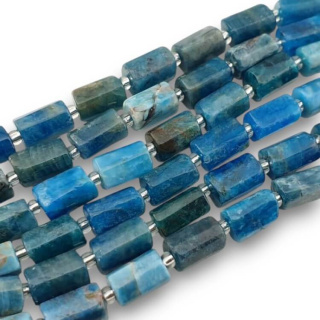

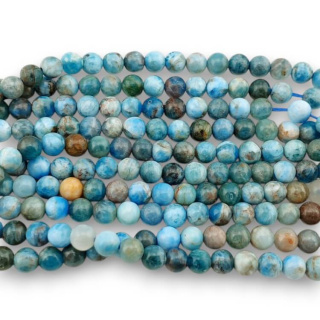

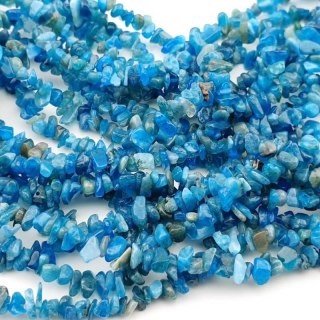


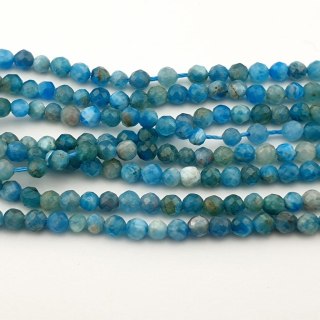

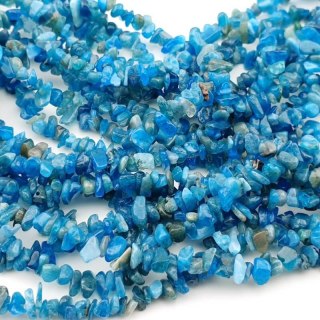
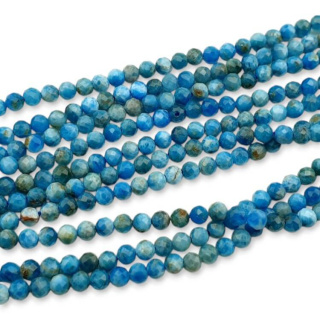


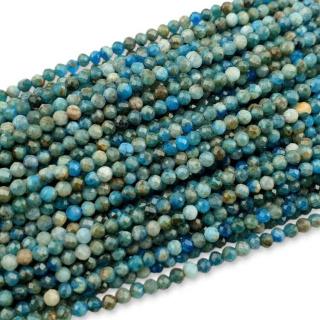
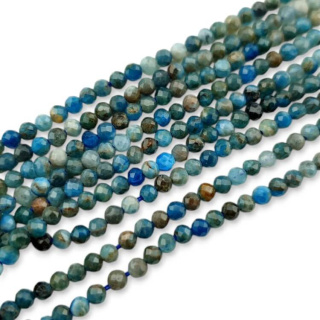


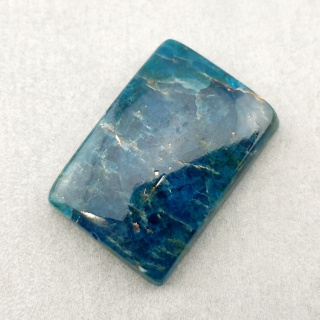

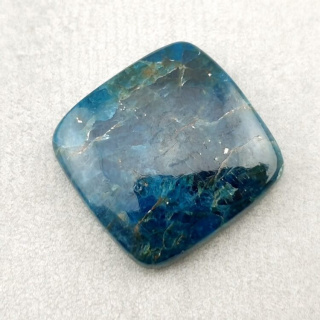

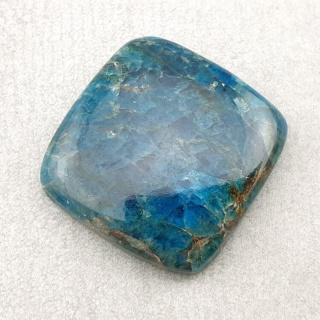

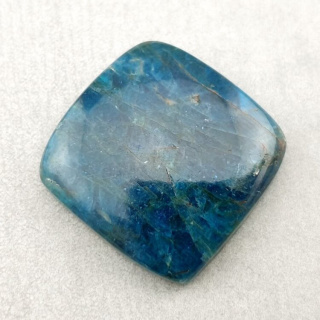

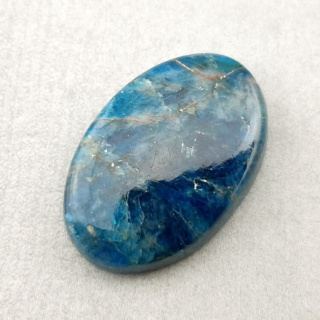

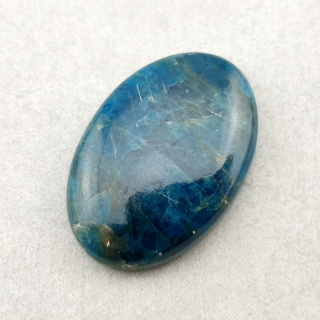

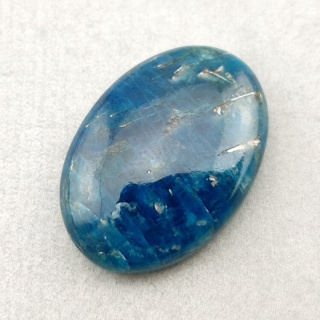

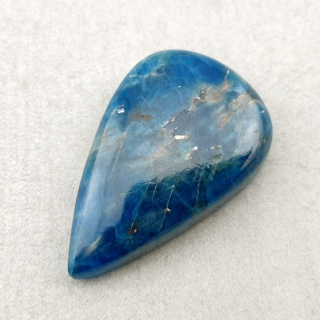

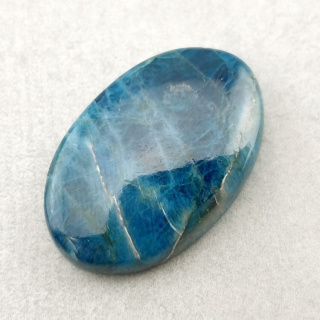

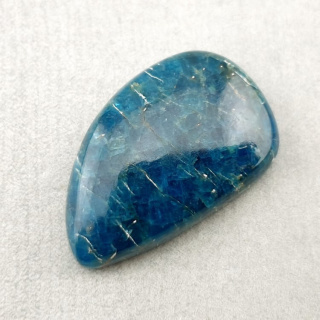

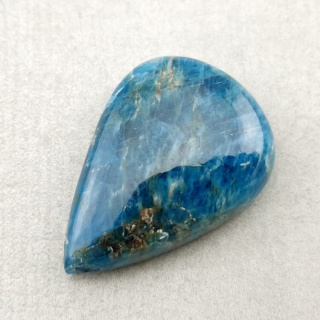

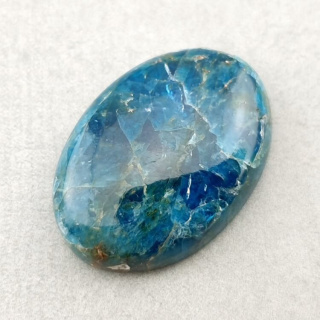

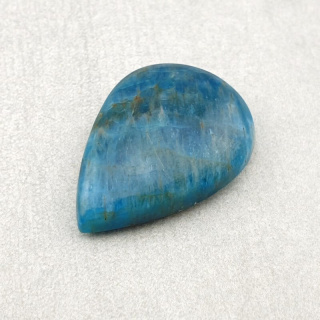

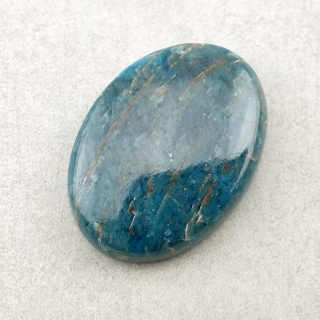

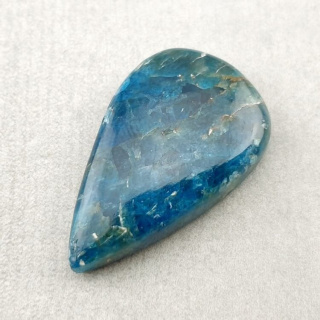


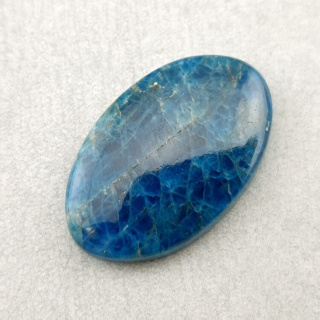

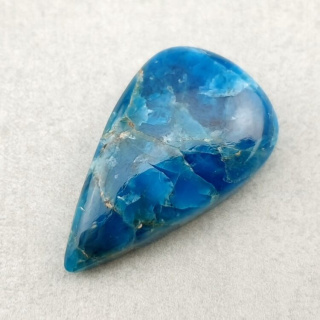


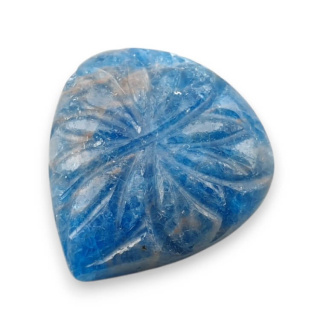

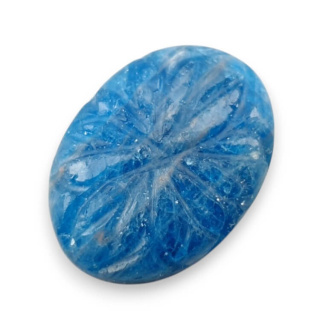

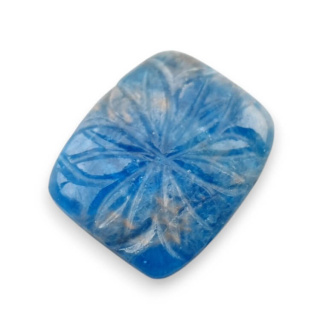


How is apatite formed?
Apatite is a phosphate, which means it is formed through chemical reactions involving phosphorus and other elements. There are several different ways in which apatite can form under natural geological conditions. Here are some of the main ways:
- Magmatic formation of apatite: Volcanic magmatic processes can lead to the formation of apatite. During the formation of magma deep within the Earth, which contains minerals such as phosphorus, crystallization can occur and apatite can form.
- Hydrothermal formation of apatite: Water rich in chemical components such as phosphorus and calcium can react with existing rocks and minerals, leading to the formation of apatite. This process occurs under specific hydrothermal conditions, such as high temperature and pressure. Sedimentary formation of apatite: Apatite can also form in sediments that are deposited under specific environmental conditions, such as the sea floor or lakes. Calcium and phosphorus present in sediments can react to form the mineral apatite in the form of chemical deposits.
- Metamorphic formation of apatite: In metamorphic processes, in which rocks are subjected to high temperatures and pressures, minerals containing phosphorus can be transformed into apatite. This can occur, for example, during the transformation of phosphorus-rich sediments.
These processes take place in a complex geological system and require specific chemical and physical conditions. The formation of apatite depends on the availability of chemical components, temperature, pressure, and other geological factors.
Physical and chemical properties of apatite
Apatite is a mineral composed of phosphorus, calcium, oxygen, and other elements. It has different varieties, which may have some differences in chemical composition, affecting the physical properties of apatite. Here are the general properties of apatite:
Physical properties of apatite stones:
- Hardness: The hardness of apatite on the Mohs scale is 5, which means that it is relatively soft compared to some other minerals. This is one of the reasons why apatite is used in jewelry and handicrafts.
- Colors: It comes in a variety of colors, including blue, green, yellow, brown, and colorless. Blue apatite is prized for its intense color. Transparency: It can occur in transparent or translucent crystals.
- Cleavage: may exhibit cleavage, meaning it can be easily split into thin sheets.
Chemical Properties of Apatite:
- Chemical composition: it is a phosphate mineral and usually consists of main components such as phosphorus, calcium, oxygen, and other elements such as fluorine, chlorine, and hydrogen. Different varieties of apatite may have different additional components.
- Crystal Structure: has a crystal structure consisting of regularly arranged atoms and ions.
- Solubility: It may be susceptible to acids, which leads to its dissolution. Calcium and phosphorus in apatite can react with acids, which is used in various industrial processes.
- Fluorine and Chlorine: Some varieties of apatite, such as fluoroapatite and chloroapatite, contain fluorine or chlorine ions. Fluoroapatite is used in the dental industry to produce materials for dental fillings and sealants.
What are the esoteric properties of apatite?
In esotericism, apatite is often considered a stone with a variety of spiritual and energetic properties. Below are some of the esoteric properties attributed to it:
- Communication and Expression: It is considered a stone that supports communication and self-expression. It helps in the open expression of thoughts and feelings, which can be especially useful for people who have difficulty communicating.
- Well-being and Motivation: It is often called the motivation stone. It is said to help overcome apathy by improving enthusiasm and determination.
- Spiritual Development: It is sometimes considered a stone that supports spiritual development and intuition. Apatite helps in understanding the deeper aspects of life and opens the mind to spiritual exploration.
- Stone of inspiration: It is believed to stimulate creativity and inspiration. It can help in discovering new ideas and approaches.
- Understanding emotions: It can help in understanding and controlling emotions. It helps identify the causes of anxiety or fear and provides tools to process them.
- Apatite Energy: Apatite is said to be a stone that brings energy and vitality. The energy of apatite helps reduce fatigue and restore vitality.
- Lifting Attachment to the Past: Apatite is sometimes used in spiritual practices to help transform negative thoughts and emotions and release past baggage.
What is the mineral apatite used for?
Apatite has many uses in various fields, from medicine and the chemical industry to jewelry making and mineral collecting. Here are some of the main areas of application for apatite:
- Medicine and Dentistry: Hydroxyapatite, a variety of apatite, is the main mineral component of human bones and teeth. It is used in dental and orthopedic implantology for the production of implants, prostheses, and other medical devices. Fluoroapatite is also used in dentistry to produce materials for dental fillings and sealants.
- Chemical Industry: Apatite is a source of phosphorus, an essential element in the production of phosphate fertilizers. The phosphorus contained in apatite is used to make phosphates, which are crucial in agriculture as fertilizers to improve crop yields.
- Jewelry and Handicrafts: Apatite, especially blue apatite, is a popular mineral in jewelry. It is used to create various types of jewelry, such as rings, necklaces, bracelets, and earrings. Thanks to its various colors, especially blue and green, apatite jewelry is becoming very popular.
- Mineral Collecting: Apatite, due to its variety of colors and shapes, is prized by mineral collectors. Rare and aesthetic varieties of apatite can be valuable to mineral enthusiasts.