![[{[item.product.name]}]]([{[item.product.photo.url]}] 75w)
Add to cart for free delivery -,--
Order Summary
Total 0 €
Price includes discounts

Variscite: Green stone of harmony
Number of products : 39What is variscite?
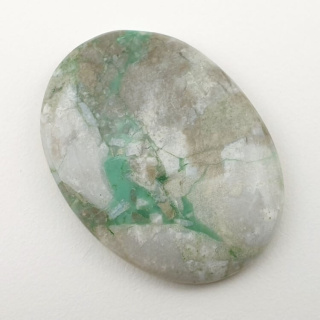
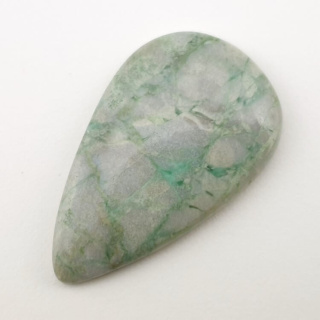
Variscite is a mineral from the phosphate group, which occurs mainly in green or green-yellow colors. It is a mineral composed of aluminum-calcium phosphate, with admixtures of aluminum and iron.
The name variscite “variscite” comes from the German word “Varisz” referring to the Variscan Mountains in Germany, where this mineral was first discovered.
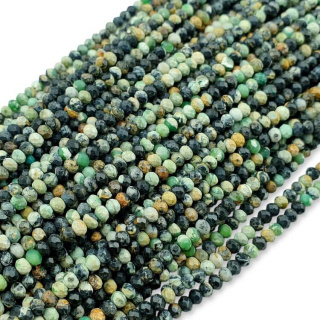
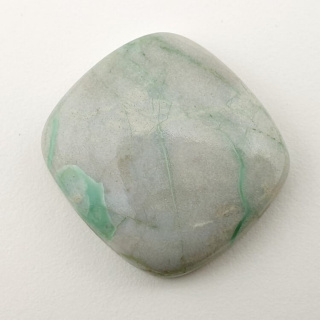
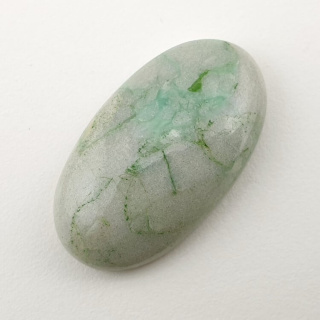
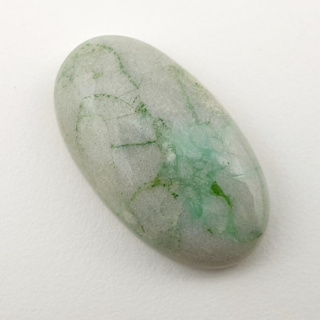
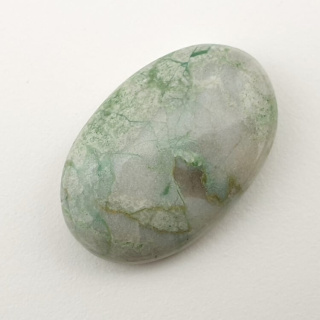
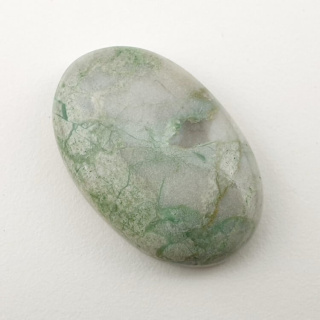
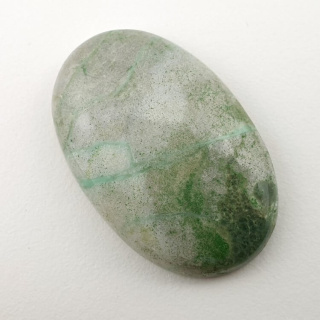
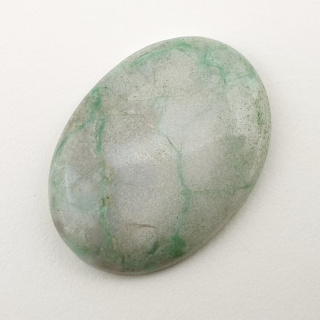
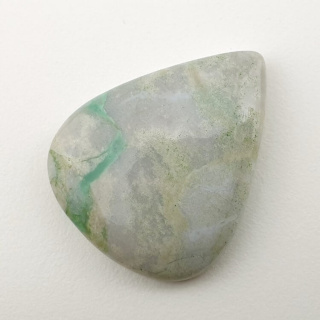
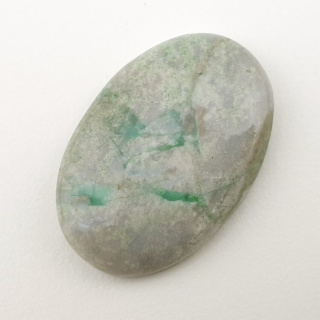
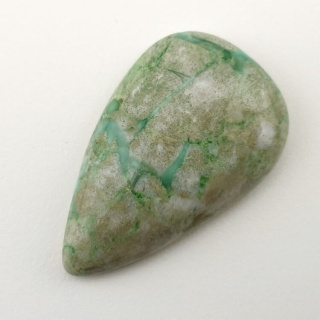
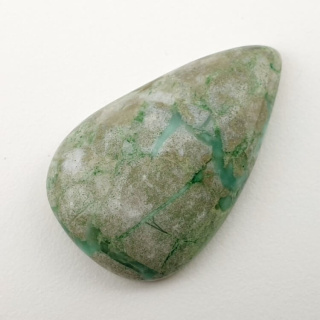
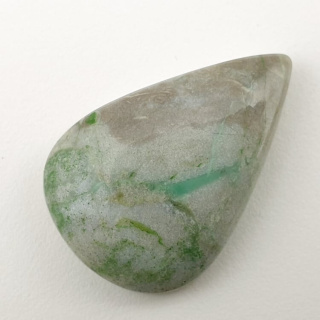
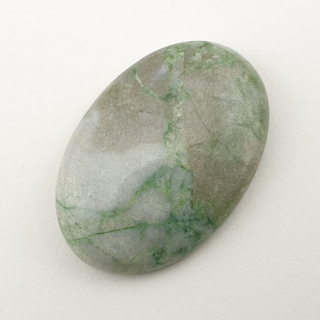
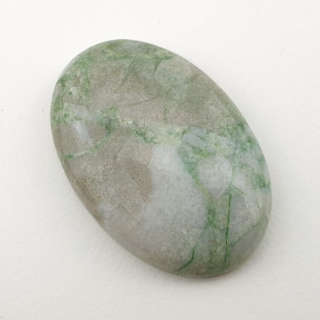
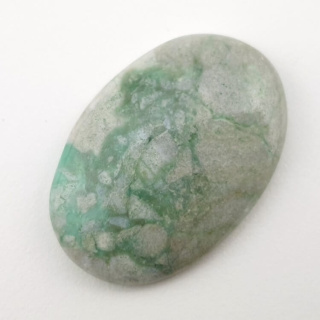
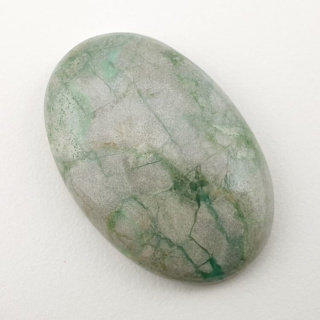
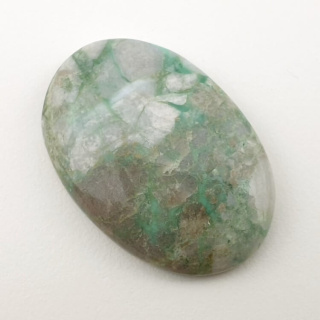
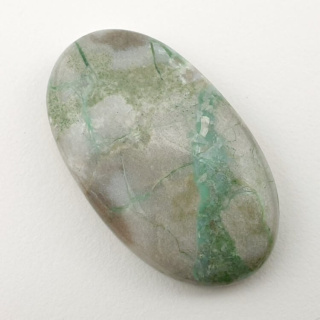
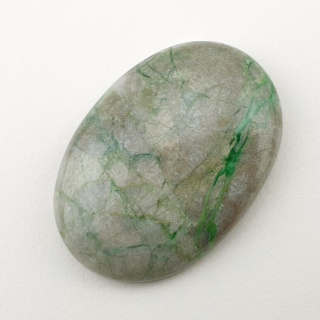
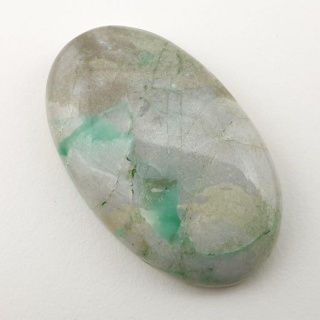
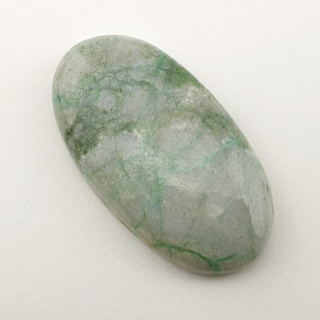
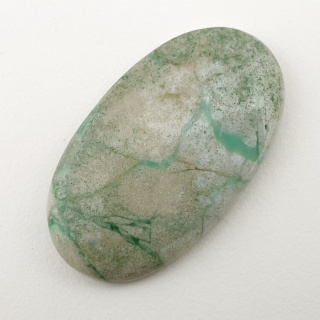
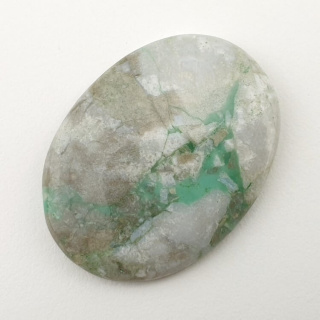
Green variscite is often used as a decorative stone in jewelry and sculpture. Its beautiful green or blue-green color and the fact that it is soft and relatively easy to work with make it a popular material for jewelry and ornaments.































What are the main physical properties of variscite?
The main physical properties of variscite are:
- Color: Usually green, green-yellow, or blue-green, sometimes it can also occur in shades of white, gray, or red.
- Hardness: The mineral variscite has a hardness of 4.5–5.5 on the Mohs hardness scale, which means that it is relatively soft compared to some other minerals.
- Luster: Characterized by a waxy or vitreous luster.
- Fracture: Usually uneven or conchoidal.
- Density: The density of variscite is approximately 2.6–2.7 g/cm³.
- Transparency: It is mostly opaque to translucent.
- Crystallographic system: Usually occurs in the form of granular aggregates, but can also form elongated or tabular crystals.
- Habitus: Often occurs in granular or spherical aggregates, less commonly in crystals.
- Luster: It is worth noting that some varieties of variscite may exhibit a chatoyancy effect, which means that under the right lighting conditions, this mineral may appear to have a shimmering or floating luster similar to a cat's eye.
Where in the world is variscite found?
Variscite is found mainly in various geographical regions around the world. Some of the most famous locations for variscite are:
- United States: Variscite is mined in many states, including Utah, Nevada, Colorado, Idaho, and New Mexico. For example, the area around the Little Green Monster Mine in Utah is famous for its variscite mining.
- Australia: Variscite is also a common mineral in Australia, particularly in the states of Western Australia and Queensland.
- Bolivia: It is mined in Bolivia, where it occurs in mines in the department of Santa Cruz.
- Brazil: Brazil is another important region for variscite. The deposits in the states of Minas Gerais and Goiás are particularly well known.
- Spain: The mineral variscite can be found in some regions of Spain, such as Catalonia and Andalusia.
- Russia: It is also found in some areas of Russia, including Siberia and the Urals.
These are just a few examples of places where variscite can be found. It is a relatively common mineral and is mined in various parts of the world.
What is the history of the discovery of variscite and its name?
The history of the discovery of variscite dates back to the 19th century. The name “variscite” comes from the region where it was discovered. The mineral was named after the Variscan Mountains, which are a mountain range in Germany.
In 1837, German mineralogist and geologist Abraham Gottlob Werner described a mineral known as “Utahlite,” which was later identified as variscite. The name “Utahlite” comes from the state of Utah in the US, where the mineral was discovered.
The first samples of variscite were discovered in mountainous areas, but it was later found in other parts of the world, such as Australia, Brazil, Russia, and Spain.
Since its discovery, variscite has been used as a decorative stone in jewelry and sculpture. Its unique physical properties and attractive color have made it a prized mineral among collectors and artists. Thanks to its history of discovery and exploration, variscite has an important place in earth sciences and in jewelry and artistic culture.
Does variscite have any mystical significance?
Variscite is a mineral that is often associated with various mystical and spiritual meanings. Here are a few of them:
- Energetic properties: In some esoteric practices, variscite is believed to have energetic properties, such as promoting emotional and spiritual balance and increasing intuition. It is often used as a stone to aid in understanding and clearing the mind.
- Stone of peace: In esoteric tradition, variscite is sometimes considered a stone of peace and harmony. People who wear it as jewelry may feel relief and calm in difficult situations or during meditation.
- Intuition-enhancing stone: Variscite is believed to enhance intuitive abilities and help develop spiritual skills. This is related to its energetic properties and beliefs about its connection to higher levels of consciousness.
- Stone of transformation: Some consider green variscite to be a stone of transformation that helps transform negative energies into positive ones and promotes personal growth and spiritual evolution.
- Communication stone: In esoteric tradition, variscite is also sometimes seen as a stone that supports communication, both internal and external. It is said to help express feelings and thoughts in a clearer and more understandable way.
It is important to note that these interpretations and beliefs about variscite are mainly based on esoteric traditions and have no scientific basis. Everyone can experience gemstones in their own way, and their meaning can be shaped by personal experiences and beliefs.
Which zodiac sign, chakra, and number match variscite?
Zodiac sign Pisces: The energy of variscite is best represented by the zodiac sign Pisces. This is due to its spiritual and intuitive properties.
Number 7: One of the numbers associated with varicite is the number 7. The number 7 is often considered a spiritual and mystical number, symbolizing harmony, wisdom, spiritual growth, and transcendent knowledge.
Heart chakra: The varisite is often associated with the activation and balancing of the heart chakra (Anahata). The heart chakra is the central chakra in the chakra system, located in the chest area. It is responsible for love, empathy, compassion, harmony, balance, and interpersonal relationships.
Depending on different astrological systems, gemstones can be assigned to different zodiac signs, planets, and even months. However, there is no clear correlation between specific gemstones and the various elements of the esoteric world.
