![[{[item.product.name]}]]([{[item.product.photo.url]}] 75w)
Add to cart for free delivery -,--
Order Summary
Total 0 €
Price includes discounts

Lapis Lazuli – a natural stone for jewelry, cabochons and beads | fusima.pl
Number of products : 378Lapis lazuli is an opaque cabochon stone consisting mainly of lazurite. It was formed millions of years ago as a result of the metamorphosis of chalk into marble.
Lapis lazuli is mined in mines in Sar-e-Sang in the Badakhshan province of Afghanistan, among other places. These mines have been in operation for over 7,000 years! The name is a combination of lapis, the Latin word for stone, and the Arabic word azul, meaning blue.
Lapis lazuli is considered the stone of truth and friendship. It is said that this blue stone brings harmony to relationships. The ancient Egyptians used lapis lazuli as early as 3100 BC, placing it in scarabs, beads, pendants, and other jewelry. Lapis was also a royal stone in ancient Sumer. Catherine the Great decorated a room in her palace with lapis walls, fireplaces, doors, and mirror frames.
Buddhists believe that lapis brings inner peace and freedom from negative thoughts. In Europe, lapis is believed to cure various diseases and is an antidote to snake bites.
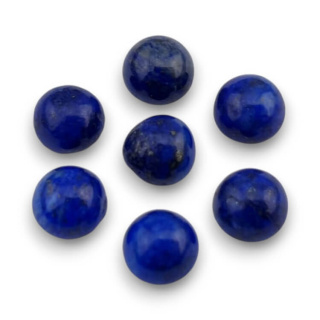
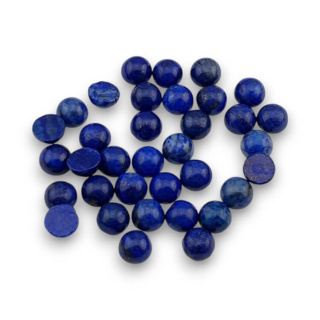
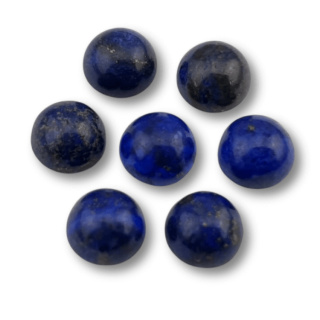
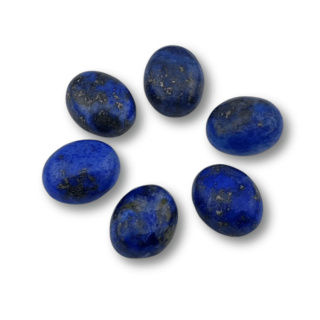
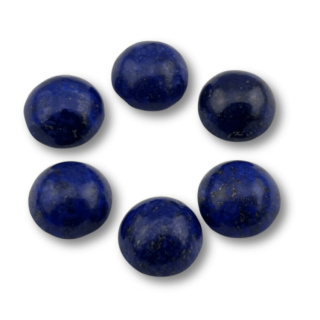
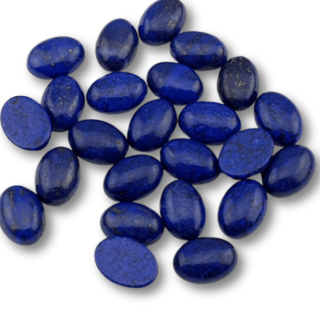
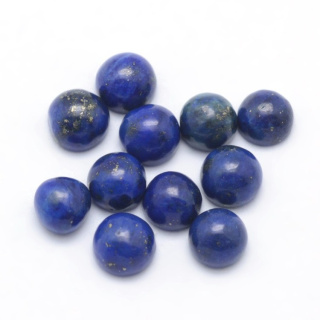
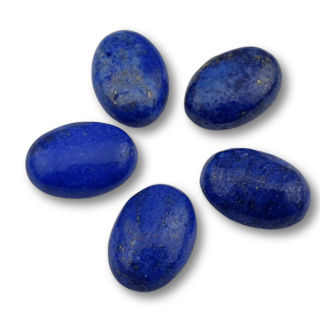
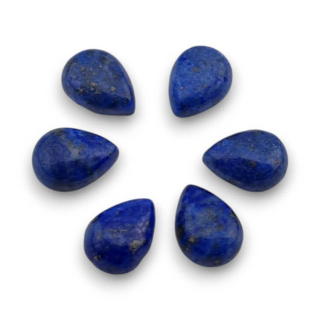
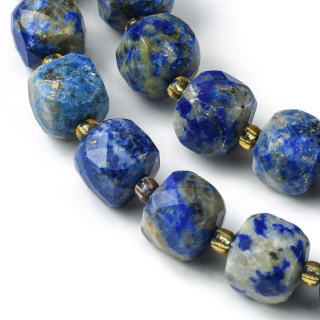
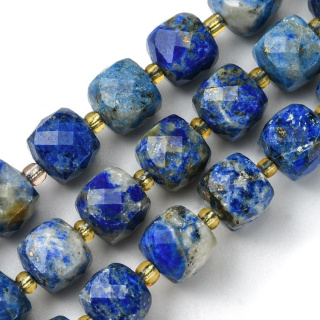
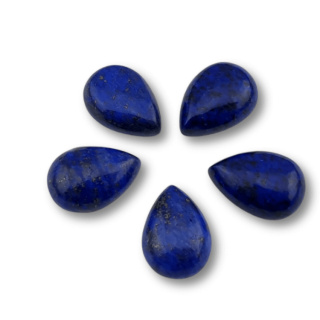
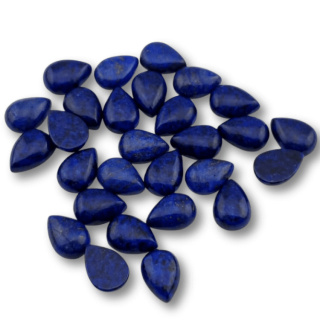
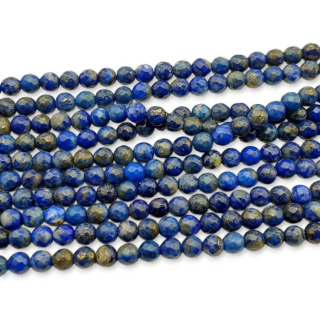
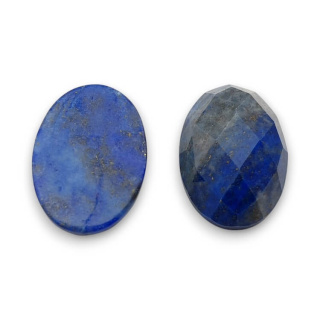
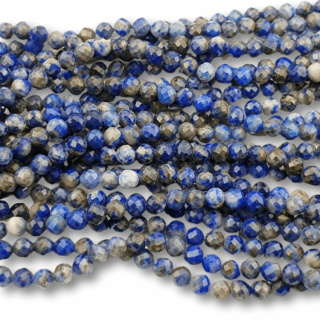
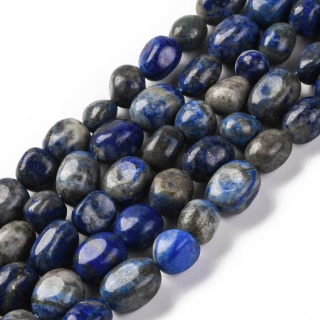
Lapis lazuli cabochons have a hardness of 5 to 5.5 on the Mohs scale. It is a hard material and requires good polishing. They often have golden pyrite inclusions and white or gray calcite veins.














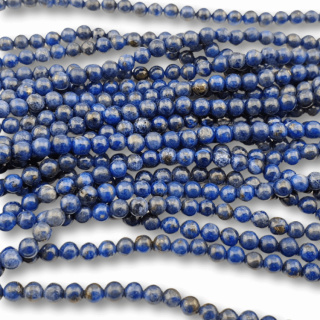

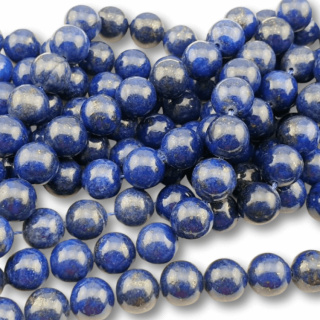

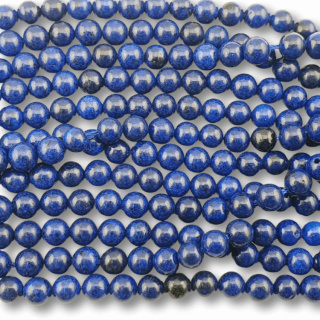

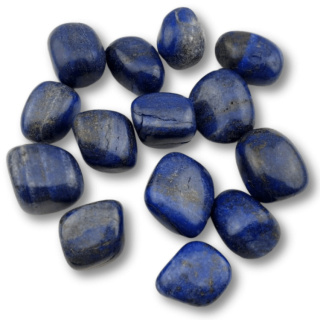





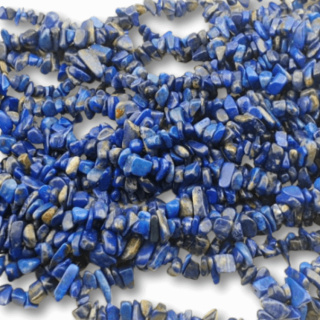


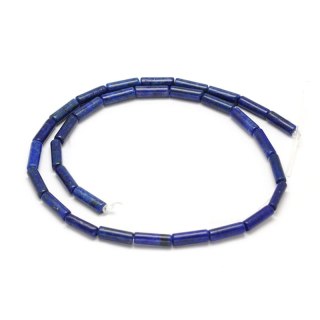

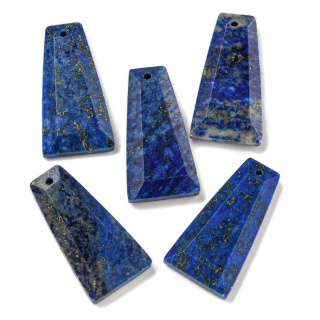
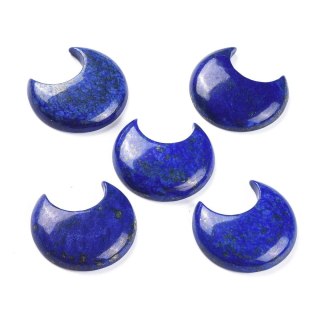

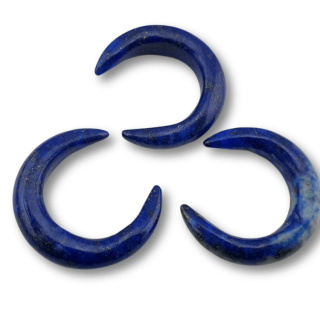
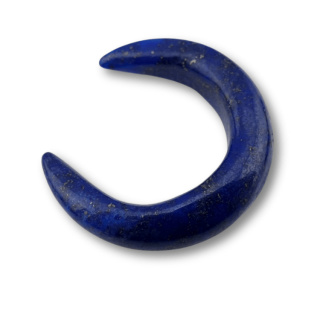


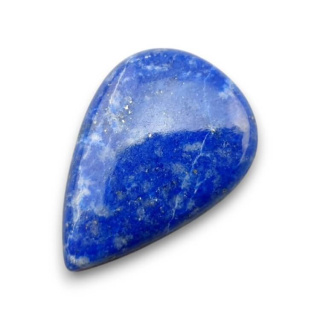


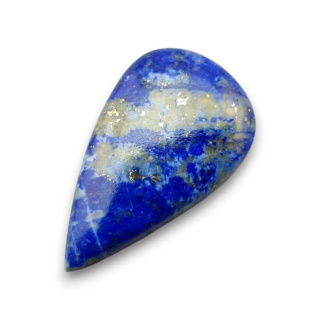

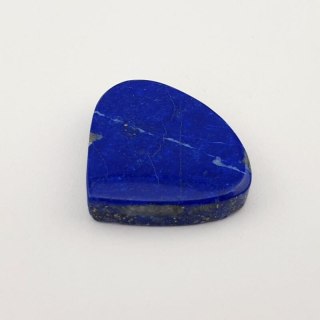

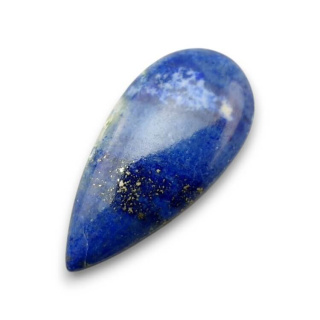

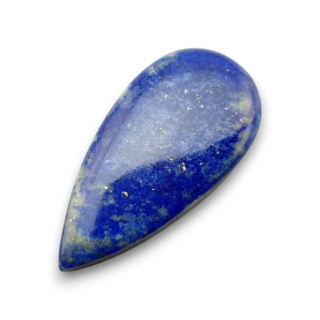


Lapis lazuli: A mysterious blue stone with an extraordinary history
A stone with a long history and mysterious beauty
Lapis lazuli, also known as ultramarine stone, has a fascinating history dating back 7,000 years. Blue lapis is a metamorphic sedimentary rock consisting mainly of lazurite, pyrite, calcite, and small amounts of diopside and sodalite. The most important deposits of lapis lazuli are found in the Hindu Kush mountains in Afghanistan. This stone is characterized by an intense blue color, which is the result of the presence of iron sulfides (pyrite) and sodalite.
How to recognize lapis lazuli?
Recognizing genuine lapis lazuli can be challenging due to the presence of counterfeits on the market. The following questions will help you identify a few key characteristics:
-
What color is lapis lazuli? A genuine specimen has an intense blue color with characteristic golden flecks of pyrite.
-
Does it have patterns? Natural patterns and streaks, often associated with blue sodalite, are characteristic of authentic lapis lazuli.
-
How hard is lapis? The standard hardness is around 5-6 on the Mohs scale. It is therefore quite soft compared to some other gemstones.
Lapis lazuli mineral - is it used in jewelry?
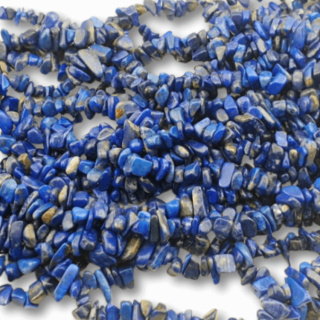
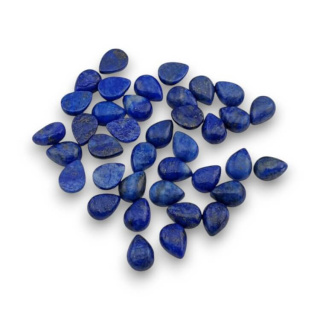
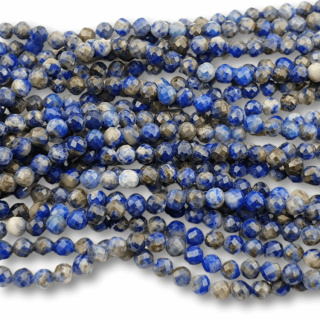
Lapis lazuli is used in jewelry because of its unique aesthetic properties. It is commonly used to make cabochons, which are flat, polished stones, and is also shaped into various beads, cylinders, and spheres that are used to make necklaces, bracelets, and other jewelry.
Various uses of lapis lazuli
Lapis has a wide range of uses beyond jewelry. In ancient times, it was used as a valuable artistic material for creating paintings and mosaics. It was also used as a painting pigment called “ultramarine,” which adorned masterpieces of art. Today, it is popular in sculpture, where it is used to create sculptures, medallions, and other works of art. Its unusual color and natural patterns add a unique character to any design.
History and significance of lapis lazuli in world cultures
What is the historical and symbolic role of lapis lazuli in ancient Egypt?
Lapis has a rich history and has been valued by various cultures throughout the centuries. In ancient Egypt, it was considered the stone of the gods, symbolizing the sky and the immortality of the pharaohs. It was widely used in Egyptian art, especially in depictions of gods and pharaohs. It was believed that wearing lapis lazuli protected against negative energies and brought good luck.
What other cultural meanings did lapis lazuli have in the past?
The lapis lazuli mineral was also valued in other cultures, such as Mesopotamia and Islamic culture. In Mesopotamia, it was considered a stone of wisdom and wealth, while in Islamic culture, lapis lazuli was appreciated for its spiritual and healing properties. Lapis has been prized by artists and sculptors for centuries for its unusual color and texture. In ancient times, it was used to create paintings, mosaics, and inlays in various works of art. Medieval masters of painting used the pigment “ultramarine” made from lapis lazuli to give their paintings a deep color. Today, lapis lazuli is still popular in sculpture, where it is used to create sculptures, medallions, and other works of art.
Health and healing benefits of lapis lazuli
Lapis is also believed to have health and healing benefits. It is thought to support the immune system, help treat throat and throat problems, and relieve headaches and migraines. This stone is also known for its soothing and relaxing effects, helping to reduce stress and improve sleep quality.
Metaphysical and spiritual properties of lapis lazuli
Does lapis lazuli have metaphysical properties?
Lapis has been considered a stone with powerful metaphysical and spiritual properties for centuries. It is widely known as the stone of truth, wisdom, and protection. According to beliefs, the use of lapis stones promotes the development of intuition, opens the third eye, and helps to achieve deeper knowledge and understanding. Lapis lazuli is also believed to stimulate inner peace, relieve stress, and aid in meditation. Is real lapis lazuli worth using in esotericism? Lapis lazuli is valued in esotericism and magic. In some esoteric traditions, this stone is believed to have protective powers and can help with energy work and intuition. It is often used during meditation, visualization, and spiritual work. Lapis lazuli is believed to allow communication with the spiritual world and enhance clairvoyance.
In summary, lapis lazuli is a remarkable blue stone with a long history and a variety of uses. Its ultramarine color sets lapis lazuli apart in the world of natural stones, and its beauty and metaphysical properties give it a special place as a gemstone.
Whether in jewelry, art, medicine, or spiritual practices, this stone continues to fascinate and inspire people around the world.
