![[{[item.product.name]}]]([{[item.product.photo.url]}] 75w)
Add to cart for free delivery -,--
Order Summary
Total 0 €
Price includes discounts

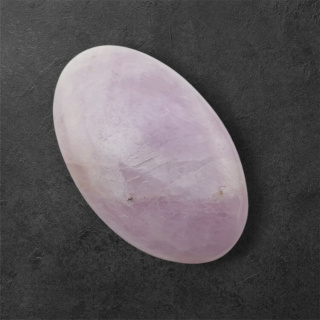
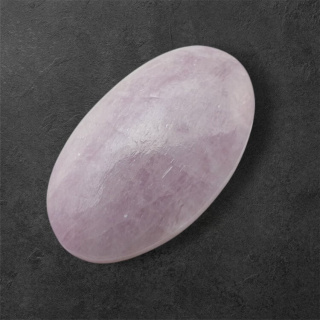
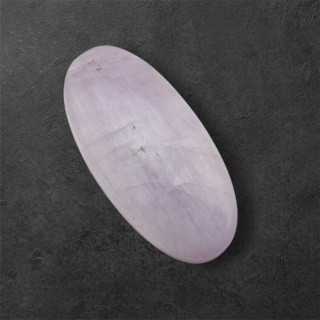
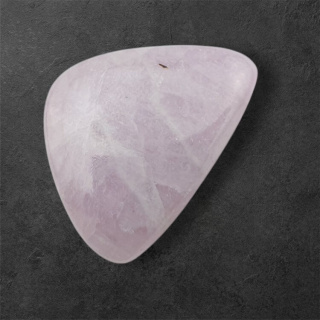
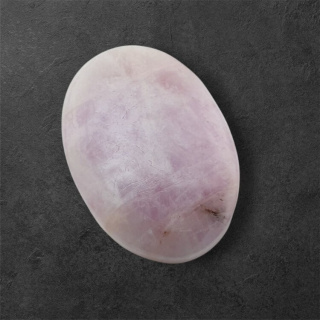
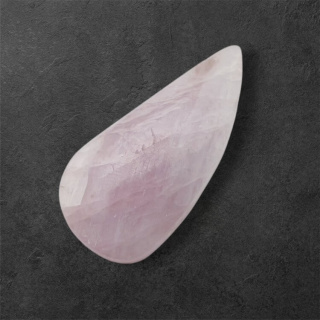
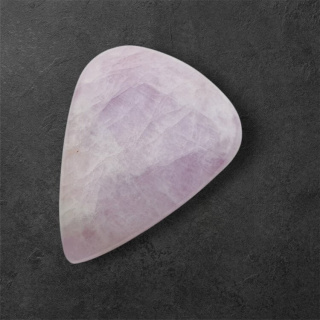
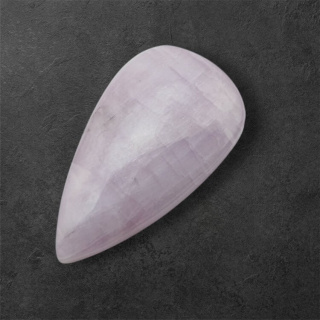
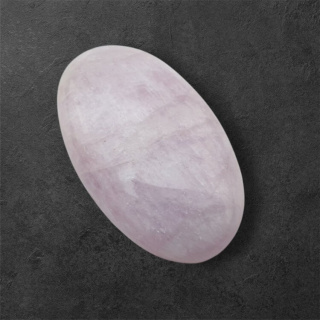
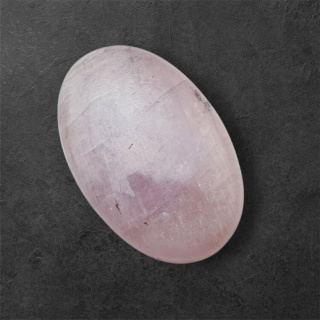
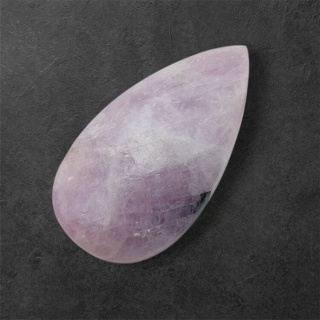
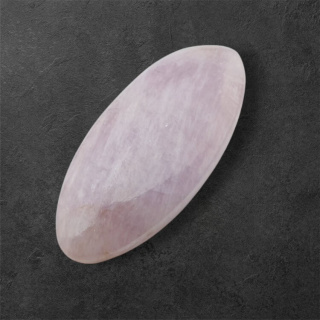
Kunzyt - a precious stone from the silicate group
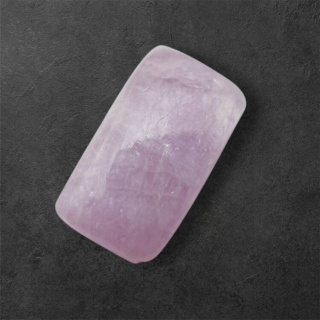
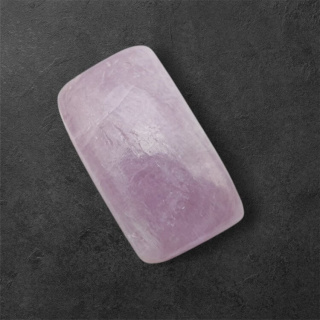
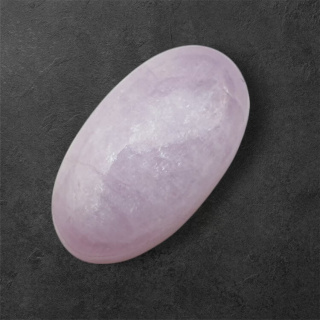
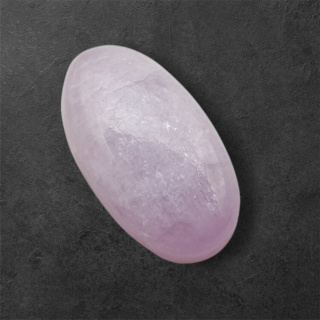
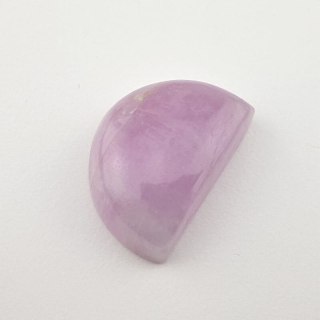
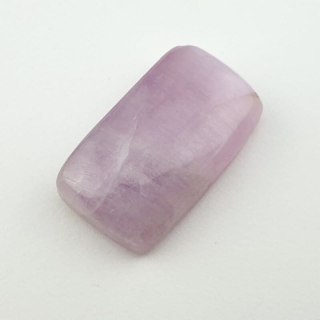
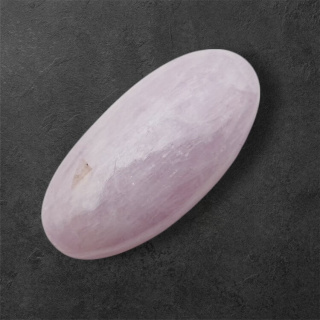
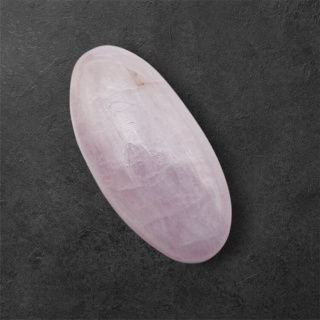
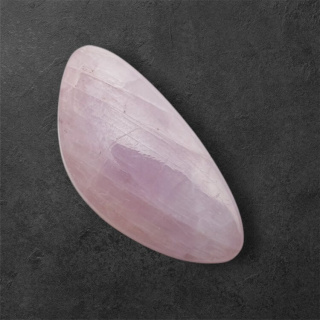
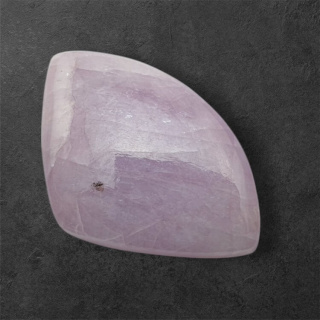
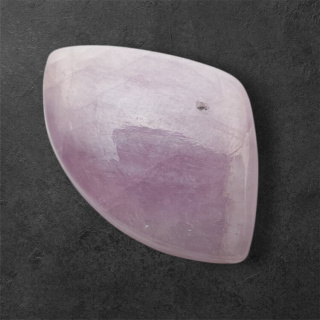
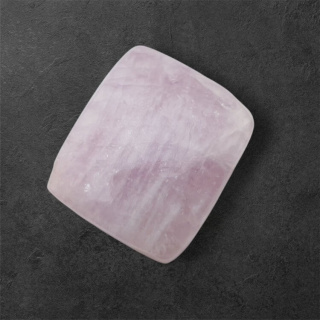
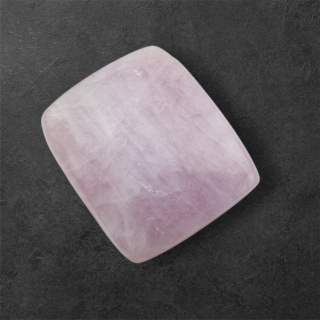
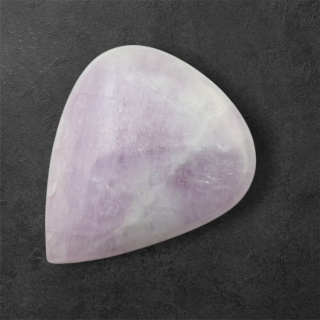
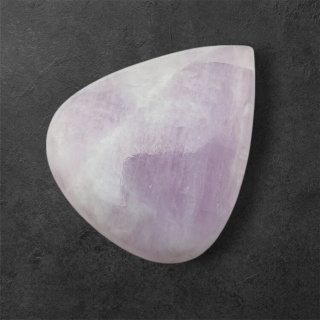
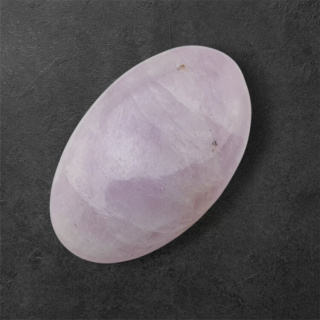
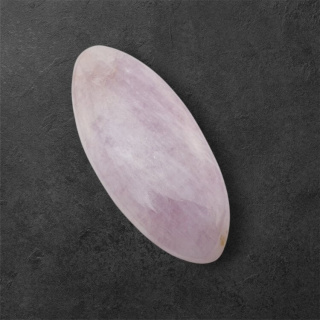
Number of products : 66Kunzite is a mineral from the zircon group, which is relatively rare and valuable. It is a lithium, aluminum, and zirconium silicate with the chemical formula LiAlSi2O6. The name “kunzite” comes from the name of the German mineralogist Georg F. Kunz, who first described this mineral. Kunzite is known for its beautiful colors, which include various shades of blue, green, yellow, and pink. It sometimes also occurs in the form of colorless or slightly colored crystals. Its crystals can be tabular or needle-like. Kunzite is used as a gemstone in jewelry and is a popular raw material for jewelry making. It is valued for its unique colors and luster. Because it is relatively soft compared to some other gemstones, such as diamonds, it requires proper care to avoid scratches or damage.
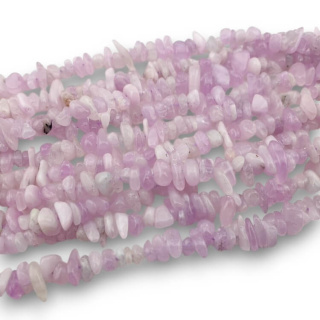
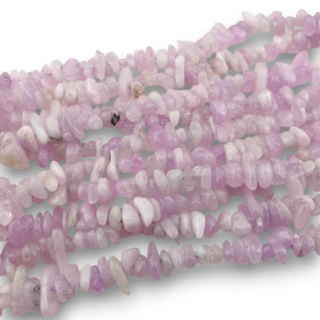


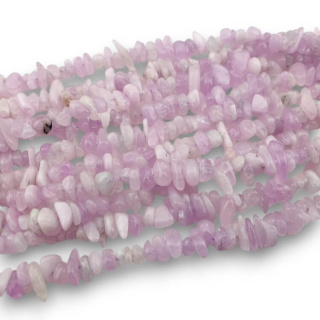
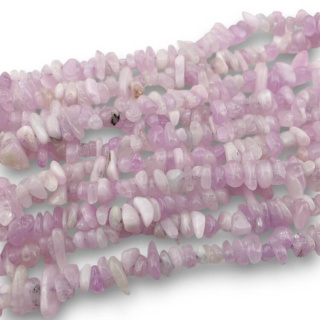



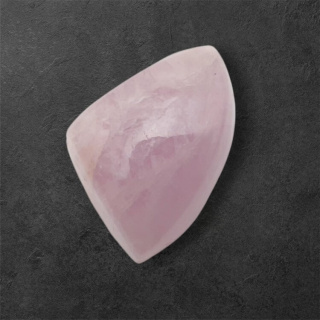
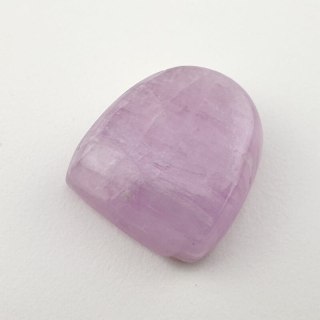
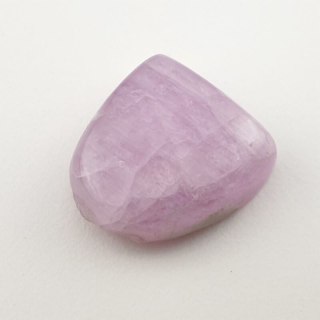
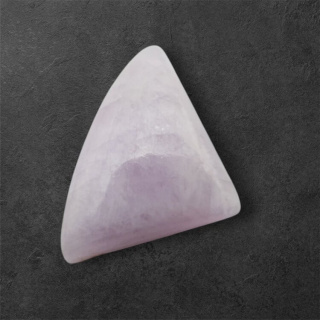


























What are the most important physical and chemical properties of kunzite?
Kunzite, as a mineral from the zirconium group, has the chemical formula LiAlSi2O6, which determines its crystal structure and properties. In terms of hardness, kunzite scores 7 on the Mohs hardness scale, which means it is durable enough to be used in jewelry. Furthermore, it is a transparent or translucent mineral, which gives it an attractive appearance.
Where can natural kunzite deposits be found around the world?
Natural kunzite deposits can be found in various areas around the world. In Brazil, for example, there is a rich deposit of kunzite, particularly in the states of Minas Gerais and Bahia. Afghanistan, Pakistan, and Kenya are also known for their kunzite deposits of various colors. Mozambique is a well-known source of intense blue kunzite, while Madagascar is famous for its pink and yellow varieties. In the United States, California is where some kunzite deposits can be found.
What are the most important colors in which kunzite occurs?
Kunzite occurs in a rich palette of colors, which is one of its most characteristic features. It can be blue, green, yellow, pink, colorless, and other shades. It is worth noting that blue kunzite is particularly sought after and is also called aquamarine. The colors of kunzite are the result of the presence of various impurities in its crystal structure. The transparency of the mineral also affects how the color is perceived and appears.
What factors influence the value and quality of kunzite as a gemstone?
The value and quality of kunzite as a gemstone are determined by several factors. First and foremost, color is extremely important. Stones with intense, deep, and uniform color are more desirable and have greater value. The clarity of kunzite is also an important aspect, as the absence of inclusions, cracks, or other defects affects its attractiveness. Transparency is another factor, with perfectly transparent crystals being the most prized. In addition, the size and quality of the cut affect the final appearance and value of the stone.
What are the most famous and prized varieties of kunzite?
Kunzite comes in various varieties, the most famous of which are blue kunzite (aquamarine), green kunzite (verdelite) and pink kunzite (rose kunzite). Blue kunzite is particularly prized for its elegant blue color, which can resemble the color of aquamarine. Green kunzite is popular for its green hues, which can vary in intensity. Pink kunzite, on the other hand, has a delicate, romantic pink color that is often used in jewelry.
Kunzite is widely used in jewelry and jewelry because of its beautiful colors and attractive appearance. It can be cut into various shapes, such as round, oval, square, or cushion, and used in various designs. Kunzite is used in the creation of engagement rings, necklaces, bracelets, earrings, and other jewelry. It is often used alone or in combination with other gemstones or diamonds to create unique and eye-catching jewelry designs.
What are the best methods for cleaning and caring for kunzite to maintain its beauty and durability?
To maintain the beauty and durability of kunzite, it is important to follow proper cleaning and care procedures. It can be cleaned with mild soap and warm water, gently brushing the surface of the stone. Avoid using harsh chemicals that can damage the stone. It is also important to avoid sudden temperature changes to prevent cracks or other damage. When storing kunzite, it is best to keep it separate from other jewelry to avoid the risk of scratching.
What are some interesting historical or mythological facts about kunzite?
Kunzite also has some interesting historical and mythological facts associated with it. In ancient Egypt, kunzite was believed to have magical properties and was used for medicinal purposes. It was believed that the stone protects against negative energy and brings peace of mind. In Greek mythology, kunzite was considered a stone that predicted the future and brought wisdom to its owner.