![[{[item.product.name]}]]([{[item.product.photo.url]}] 75w)
Add to cart for free delivery -,--
Order Summary
Total 0 €
Price includes discounts

Aquamarine - The perfect gemstone for unique jewelry
Number of products : 172What is aquamarine?
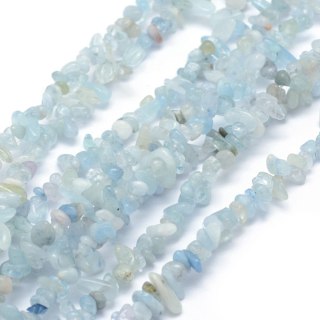
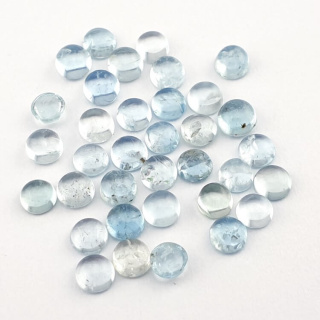
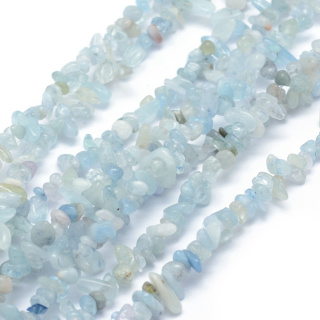
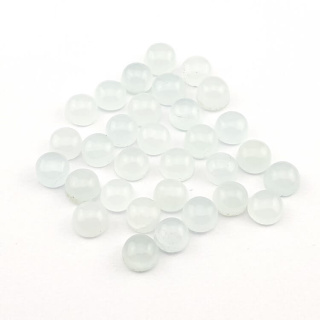
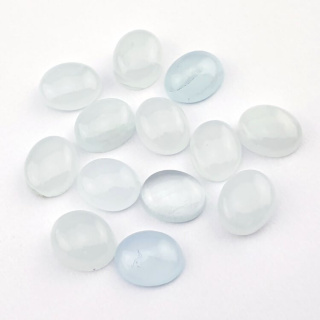
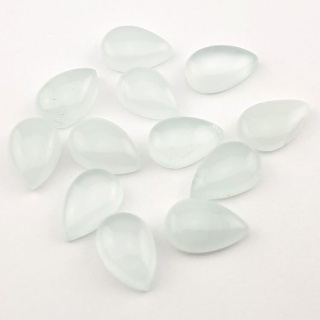
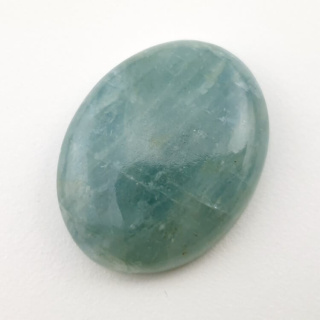
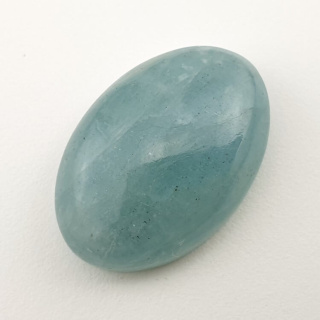
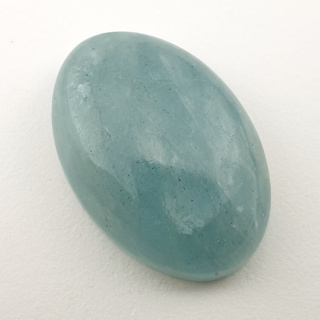
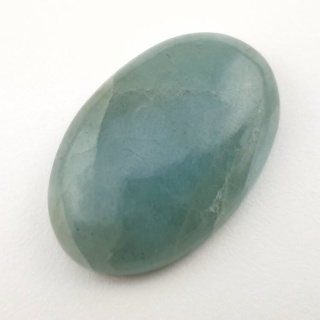
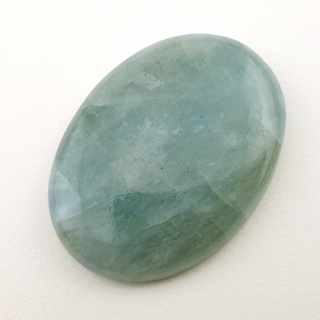
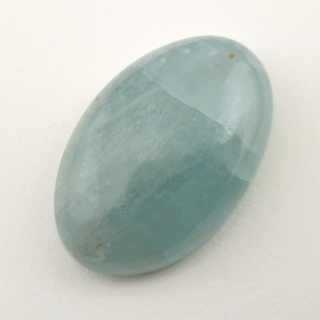
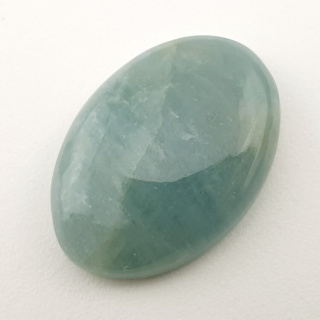
Aquamarine is a mineral that is a variety of beryl. It is a crystal with a transparent to blue-green color. The color of aquamarine can vary from light blue to greenish-blue. The name “aquamarine” comes from the Latin word “aqua marina,” which means “sea water.”

























What are the most important characteristics of aquamarine?
Aquamarine has several distinctive characteristics that set it apart. Here are the most important ones:
- Color of aquamarine: Aquamarine comes in various shades of blue-green, ranging from light blue to greenish-blue. Its color is often compared to the color of sea water, which reflects its name.
- Transparency: This mineral can be transparent, which means that light can pass through it with relatively little absorption.
- Hardness: Aquamarine is relatively hard, reaching 7.5-8 on the Mohs hardness scale. This is a characteristic that contributes to its durability and ability to maintain a polished finish.
- Luminescence: Aquamarine often exhibits a delicate luminescence, meaning that it may shimmer slightly when exposed to light.
- Scratches and inclusions: Although aquamarine is often clear, it may contain scratches, inclusions, or bands that give it a distinctive appearance.
- Origin: The highest quality aquamarine comes from places such as Brazil, Madagascar, Nigeria, and Pakistan.
What is the origin of aquamarine and where can it be found?
The origin of aquamarine is linked to geological processes that occur during the formation of rocks and minerals. Aquamarine is a variety of beryl, and its formation is usually associated with pegmatites, which are large crystalline magmatic formations.
Here are some key points about the origin of aquamarine:
- Magmatic sources: Aquamarine is formed by the crystallization of magma that contains beryl. Beryl-rich magmas form pegmatites, and large beryl crystals, including aquamarine, are formed during the crystallization process.
- Pegmatites: Pegmatites are special types of magma intrusions with large crystals that can contain various minerals, including beryl. Under the right conditions, such as the right amount of beryl and other chemicals, aquamarine crystals can form in pegmatites.
- Hydrothermal sources: Aquamarine is also sometimes formed by hydrothermal processes, where water seeps through rocks, dissolving and transporting chemicals, including beryl.
When it comes to aquamarine deposits, there are many places around the world where this mineral is mined. Some of the most important locations include:
- Brazil: Brazil is one of the main producers of high-quality aquamarine. The state of Minas Gerais in Brazil is a particularly well-known region for aquamarine mining.
- Madagascar: In Africa, Madagascar is also an important source of aquamarine.
- Nigeria, Pakistan, Russia, USA: Other countries such as Nigeria, Pakistan, Russia, and the United States also have aquamarine deposits.
What metaphysical or magical properties are attributed to aquamarine in different cultures?
In various cultures and esoteric traditions, gemstones are often attributed with various metaphysical or magical properties. This is also the case with aquamarine, which has its place in history and beliefs. Below are some of the metaphysical properties that are often associated with aquamarine:
- Peace and balance: Aquamarine is often considered a stone that brings peace, balance, and harmony. It is believed to have the ability to relieve emotional tension and provide support in difficult situations.
- Clarity of mind: Aquamarine is believed to help clear the mind, promote concentration, and aid in the development of intellectual abilities.
- Communication and expression: Aquamarine is associated with communication skills. It is believed to help express thoughts and feelings and support verbal communication.
- Travel protection: In some traditions, aquamarine is considered a protective stone for travelers, especially those who travel by sea. It is believed to bring safety and protection from danger during sea voyages.
- Purifying energy: Aquamarine is sometimes considered a purifying stone that helps remove negative energy from the environment.
- Supporting meditation: People use aquamarine as a meditation tool, claiming that it helps to achieve peace of mind and deepen the meditative experience.
It is worth noting that these interpretations are symbolic in nature and are more related to the realm of esoteric beliefs than to a scientific approach. Each person may interpret the properties of a stone in their own way, and these beliefs vary depending on culture and tradition.
Why is aquamarine considered a protective stone?
Aquamarine is considered a protective stone for several reasons, and this attribution is often rooted in beliefs and traditions. Below are some of the reasons why aquamarine is considered a protective stone:
- Protection for travelers: Throughout history, aquamarine has often been used as a talisman by travelers, especially those who travel by sea. It is believed that this stone has the ability to provide protection from maritime dangers such as storms and tempests. Legend has it that the Messenger of the Oceans, a mermaid, gave aquamarine to humans as a sign of her goodwill and protection.
- Help in stressful situations: Aquamarine is believed to have properties that relieve emotional tension and bring peace and balance. Wearing aquamarine is thought to help cope with stressful situations and alleviate anxiety and fears.
- Cleansing and removing negative energy: This stone is associated with cleansing energy, and wearing it can help remove negative energy from your surroundings and protect you from bad influences.
- Supporting communication: Aquamarine is associated with communication skills. It is believed to help express thoughts and feelings and promote clear communication, which can be important in interpersonal relationships.
It is worth noting that these properties are more related to the field of esoteric beliefs and have no scientific confirmation. Gemstones such as aquamarine have symbolic meaning and are often used as talismans or amulets because of their attributed properties, which are believed to influence the well-being and protection of the wearer.
What are the physical and chemical properties of aquamarine?
Aquamarine is a mineral from the beryl group, and its physical and chemical properties are related to those of beryl. Here are some key physical and chemical properties of aquamarine:
Physical properties:
- Color: Aquamarine comes in various shades of blue-green. This color can vary in intensity, but is most often described as light blue to greenish-blue.
- Transparency: Aquamarine can be transparent, which means that light can pass through the mineral with limited absorption.
- Hardness: Aquamarine has a Mohs hardness rating of 7.5-8. This is comparable to the hardness of other minerals such as rock crystal and amethyst.
- Cleavage: Aquamarine exhibits perfect cleavage in one direction, meaning that it can be split along certain planes to form flat fragments.
- Crystallographic pattern: Aquamarine crystals have a hexagonal structure, which means they have six equal faces.
- Luster: Raw aquamarine exhibits a vitreous luster on broken surfaces.
Chemical characteristics:
- Chemical composition: Aquamarine is a variety of beryl, and its chemical composition mainly includes beryllium, aluminum, and aluminum silicates. The chemical formula for aquamarine is Be3Al2(SiO3)6.
- Metal oxides: Beryl, to which aquamarine belongs, contains metal oxides such as aluminum and aluminum. These oxides give the mineral its characteristic color.
- Other trace elements: Depending on where it is found, aquamarine may contain certain amounts of trace elements, which affect its color. For example, some aquamarines contain traces of iron, which gives them a green color.
These physical and chemical characteristics make aquamarine a prized gemstone in jewelry and jewelry making.
